
The Health Benefits of Mediterranean Food
6/19/20264 min read
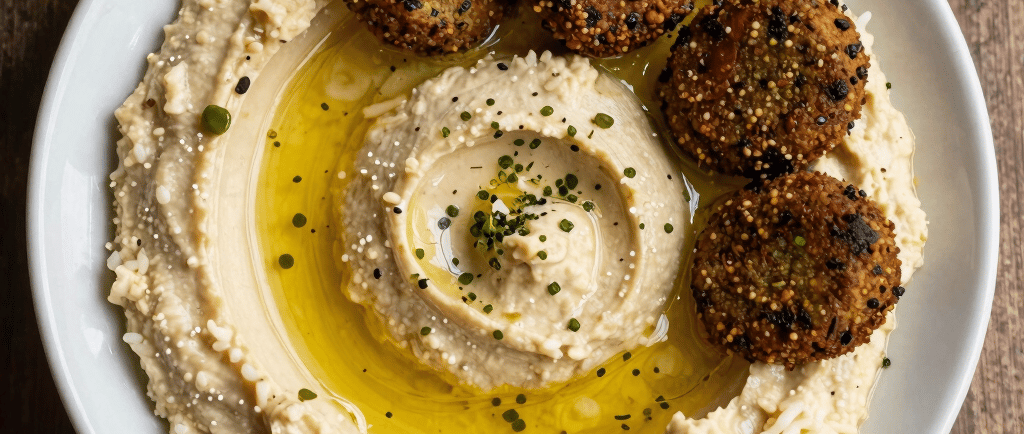

Introduction to Mediterranean Diet
The Mediterranean diet is a culinary tradition that originates from countries bordering the Mediterranean Sea, including Greece, Italy, Spain, and southern France. This dietary approach emphasizes the consumption of a variety of nutrient-rich foods, prioritizing fresh fruits, vegetables, whole grains, legumes, nuts, and seeds. Lean proteins, particularly fish and poultry, are favored over red meats, while dairy products, especially cheese and yogurt, are consumed in moderation.
One of the defining characteristics of the Mediterranean diet is the high intake of healthy fats, primarily from olive oil, which is a staple in this cuisine. Olive oil is not only a fundamental cooking fat but also serves as a dressing and flavor enhancer for countless dishes, highlighting the region's preference for natural, minimally processed foods. Herbs and spices play a crucial role in adding flavor, reducing the need for excessive salt.
The cultural significance of the Mediterranean diet extends beyond mere nutrition; it embodies a lifestyle focused on community, family meals, and enjoyment of food. Shared dining experiences, often accompanied by wine in moderation, reflect the social fabric of Mediterranean societies. This communal aspect encourages diverse and balanced eating habits, which are believed to contribute positively to overall well-being.
In recent years, the Mediterranean diet has gained global recognition for its numerous health benefits. Researchers have linked this dietary style to reduced risks of chronic diseases, including heart disease, diabetes, and certain cancers. As more individuals around the world begin to embrace the Mediterranean diet, the emphasis on wholesome, plant-based foods continues to resonate with health-conscious consumers seeking sustainable and enjoyable eating patterns.
Nutritional Profile of Mediterranean Foods
The Mediterranean diet is renowned not only for its flavor but also for its impressive nutritional profile. This dietary pattern emphasizes the consumption of healthy fats, primarily from olive oil, which is a staple in Mediterranean cooking. Olive oil is rich in monounsaturated fats, particularly oleic acid, which has demonstrated cardiovascular benefits by reducing inflammation and improving heart health. The high antioxidant content of olive oil also contributes to overall well-being.
In addition to healthy fats, plant-based proteins such as legumes, nuts, and seeds play a crucial role in the Mediterranean diet. These sources of protein provide essential amino acids while offering dietary fiber, which aids in digestion and enhances satiety. Incorporating a variety of legumes such as lentils and chickpeas not only diversifies one’s protein sources but also contributes to heart health through their cholesterol-lowering effects.
The use of herbs and spices is another distinctive characteristic of Mediterranean cuisine. Ingredients such as garlic, basil, oregano, and rosemary not only enhance the flavor of dishes but also provide several health benefits. For instance, garlic is known for its anti-inflammatory and antioxidant properties, while various herbs are rich in phytochemicals that can support overall health.
Portion sizes and meal patterns are also integral to the Mediterranean diet. Meals are typically centered around shared, enjoyable experiences with family and friends, which encourages mindful eating. Smaller portion sizes paired with a variety of foods ensure a balanced intake of nutrients while preventing overeating. This approach fosters a healthier relationship with food, ultimately promoting long-term health benefits.
Health Benefits Associated with Mediterranean Eating
The Mediterranean diet, characterized by a high intake of fruits, vegetables, whole grains, legumes, nuts, and olive oil, has garnered attention for its numerous health benefits. Scientific research has substantiated its positive effects on heart health, weight management, chronic disease prevention, and even mental well-being.
A distinctive feature of the Mediterranean cuisine is its emphasis on healthy fats, particularly monounsaturated fats found in olive oil. Studies have shown that the regular consumption of these fats is linked to a reduced risk of heart disease. The PREDIMED study, a large-scale clinical trial conducted in Spain, found that participants adhering to a Mediterranean diet experienced a significant decrease in cardiovascular events compared to those on a low-fat diet. This underscores the diet's role in promoting cardiovascular health.
Weight management is another critical aspect of the Mediterranean lifestyle. The combination of nutrient-dense foods and a high fiber content promotes satiety, making it easier for individuals to maintain a healthy weight. Research indicates that populations following this dietary pattern tend to have lower obesity rates and healthier body mass indexes. Moreover, the Mediterranean diet encourages mindful eating practices, contributing further to effective weight control.
Beyond its physical health advantages, the Mediterranean diet also shows promise in preventing chronic diseases such as type 2 diabetes and certain forms of cancer. The abundance of antioxidants in fruits and vegetables, along with the anti-inflammatory properties of olive oil, plays a pivotal role in reducing the risk of these conditions.
Finally, the Mediterranean diet may have significant implications for mental health. Studies have demonstrated a correlation between this dietary pattern and a lower incidence of depression and cognitive decline. The inclusion of omega-3 fatty acids, found in fish, and the balanced nutrition provided by this approach contribute to improved mental well-being.
Incorporating Mediterranean Principles into Daily Life
Adopting Mediterranean dietary principles into your daily life can be both simple and enjoyable. These principles prioritize fresh, wholesome ingredients, offering a variety of health benefits while providing opportunities for culinary exploration. To begin, consider optimizing your grocery shopping by creating a weekly shopping list that includes a diverse selection of fruits, vegetables, whole grains, legumes, nuts, and seeds. These foods form the backbone of Mediterranean cuisine and should make up a significant portion of your diet.
When preparing meals, emphasize the use of healthy fats, such as olive oil, over less beneficial options like butter or margarine. Olive oil not only enhances the flavor of dishes but also provides essential fatty acids beneficial for heart health. Experiment with cooking techniques that are common in Mediterranean cooking, such as grilling, roasting, and baking, which can elevate the taste of vegetables and proteins without adding unhealthy calories.
Meal planning can provide consistency, making it easier to incorporate Mediterranean foods into your weekly routine. For instance, you can designate specific days for preparing bulk recipes that include chickpeas, lentils, or fish, which are staples in Mediterranean diets. Consider recipes such as a chickpea salad with fresh herbs, a hearty lentil soup, or grilled salmon with roasted vegetables.
Additionally, engaging in social cooking can enhance the Mediterranean experience. Invite friends or family to join you in preparing meals, as the Mediterranean culture values communal dining and enjoying food together. This not only makes the preparation process more enjoyable but also encourages a sociable atmosphere around healthy eating.
In conclusion, by integrating these easy-to-follow practices into your daily life, you can embrace the health benefits of the Mediterranean diet, fostering both nutrition and community around your meals.